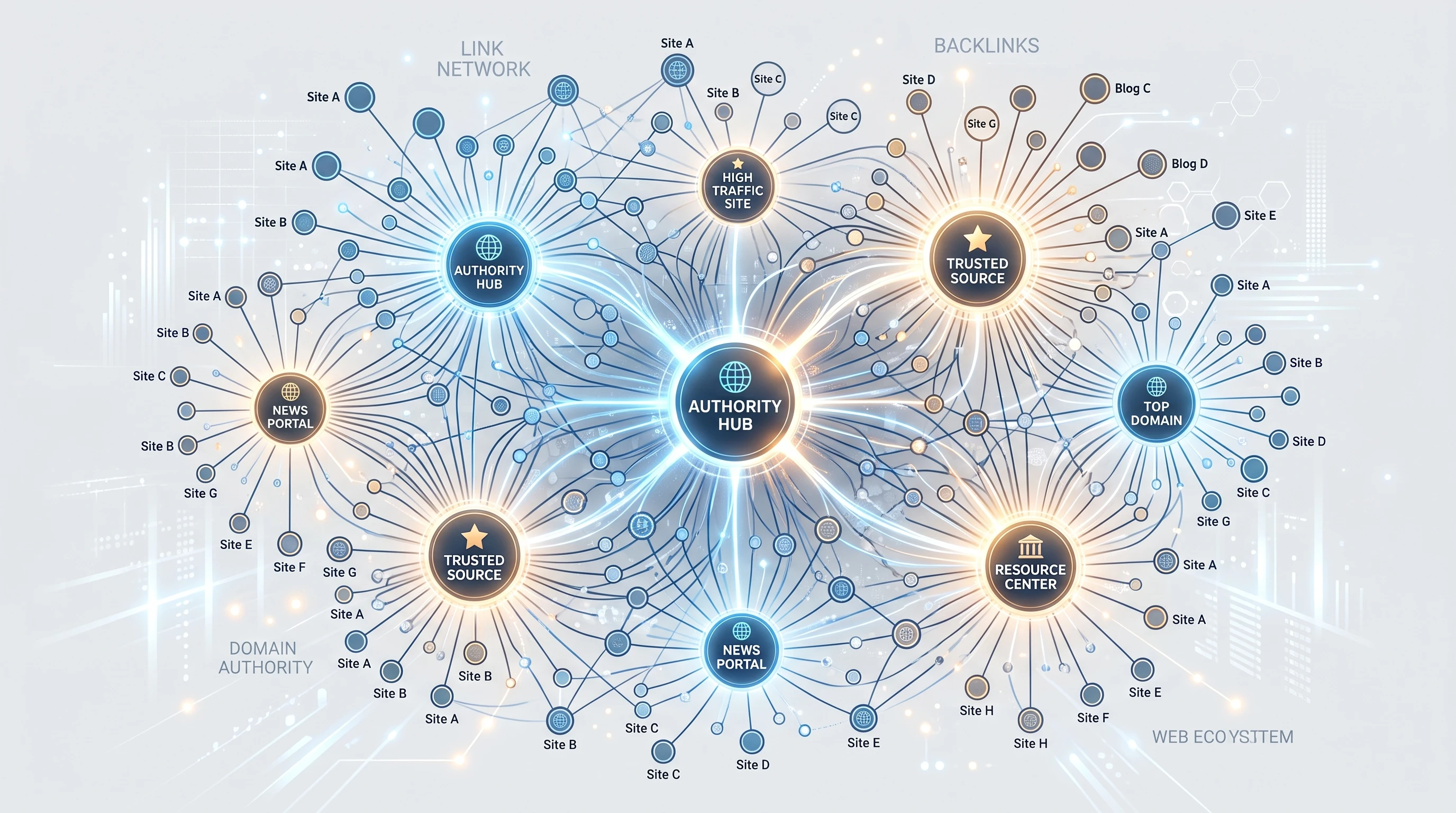
 Growing the authority of an affiliate site sounds intimidating, but getting the hang of building quality backlinks makes a huge difference. I remember feeling lost when I first started out, wondering how people managed to get those powerful links pointing to their site. The reality? Getting backlinks is all about consistency, smart outreach, and genuine relationship building. It’s not just about numbers; one high-quality backlink can be worth more than a dozen random ones.
If you’ve got an affiliate site and you’re looking to rank higher, earn trust, and boost your commissions, focusing on backlinks is honestly one of the most reliable strategies. I’ve seen firsthand how even a single solid backlink from an authority source can noticeably boost search rankings. Even for competitive keywords, a few trustworthy links can change the whole game. Below, I’m breaking down how to approach backlink building for your affiliate site in a realistic, beginner-friendly, and actionable way so you won’t feel overwhelmed.
This guide will show you practical ways to earn high-quality backlinks, avoid common mistakes, and slowly build lasting site authority, even if you’re brand new to SEO and link building. By following these steps, you’ll be better equipped to build a strong, trustworthy affiliate website foundation.
Step 1: Understand What Makes a Good Backlink
Not all backlinks help your site in the same way. Before chasing quantity, it’s super important to know what separates a valuable backlink from a junk one. Without understanding this, your time and effort might be wasted.
What to Look For in a Backlink:
- Relevance: Is the link coming from a site in your niche, or at least covering a related topic?
- Authority: Does the linking site have a strong reputation in Google’s eyes? Tools like Moz’s Domain Authority or Ahrefs’ Domain Rating give you an idea (even the free versions are helpful).
- Dofollow Status: Dofollow links pass SEO value, while nofollow links don’t help your rankings as much.
- Natural Placement: Is the link placed naturally in useful content, or is it stuffed into a spammy page? Well-placed links make a world of difference for both readers and rankings.
Examples of Strong Backlinks:
- A review or roundup post on a respected blog that mentions your site
- A guest post you’ve written on a reputable website
- Links from resource pages in your industry
- Mentions on news sites or big brand blogs
Aim for quality over quantity. I’ve found that just a couple of really strong links can outweigh loads of weaker ones. Authority and relevance almost always win out over randomly scattered links.
Step 2: Create Linkworthy Content
If your content isn’t useful, different, or shareable, it’s tough to get others to link to it. You don’t need to reinvent the wheel, but offering real value or a unique perspective gives others a reason to mention your site. Always ask yourself, “Would I want to share this?” If the answer is yes, you’re on the right path.
Types of Content That Earn Backlinks:
- Ultimate Guides: Deep, all-in-one walkthroughs attract links from bloggers and forums.
- Original Research: Stats, data breakdowns, or case studies are super useful for others in your industry.
- Tool Roundups: Lists highlighting the best tools, plugins, or products in your niche.
- Infographics and Visuals: Visual content gets shared and linked to way more often, especially if you offer free embed codes.
- Resource Lists: Curated lists help others save time and often get cited by other bloggers.
- Personal Stories: Sharing firsthand experiences can also give a boost to your credibility and attract citations.
Pro Tip:
I like to include some original insights or even personal experiences in my guides, since this gives other creators something fresh to reference or share. It doesn’t have to be groundbreaking; specificity helps your content stand out. Try adding a unique angle or actionable tip in your posts to make your resource even more enticing for potential linkers.
Step 3: Outreach the Right Way
Reaching out for backlinks gets a bad rap because of the spammy way many people do it, but personalized, friendly outreach actually works. I’ve gotten great results by treating emails and DMs like the start of a real conversation, not just a backlink pitch. The key is to be authentic and honest about why your content can be helpful.
How to Do Effective Outreach:
- Find relevant sites and blogs related to your niche. Look for active blogs, industry resource pages, or smaller publications.
- Read a couple of their posts before pitching. Reference something specific to show you’re not a bot.
- Offer genuine value, like pointing out a broken link, highlighting your up-to-date resource, or offering a unique contribution.
- Keep your email short and casual. Long, templated messages usually go straight to trash.
- Don’t rush the process. Building up actual relationships with site owners opens the door for not just one, but multiple future backlink or collaboration opportunities.
Outreach Example:
“Hey [Name], I loved your recent post on [topic]. I noticed you linked to [old resource]. I’ve actually put together a more current guide on this here: [link]. If you think it could help your readers, feel free to check it out! Either way, thanks for the awesome content.”
This kind of friendly, specific outreach works much better than the copy-paste messages people are used to seeing.
Step 4: Use Guest Posting and Collaborations
Guest posting is still one of my go-to strategies for earning great backlinks. When you contribute genuinely useful articles to other blogs, you build relationships and often get a dofollow link in the contributor bio or article body. Plus, your name reaches a wider audience, which is huge for networking.
Simple Steps for Effective Guest Posting:
- Look for blogs that cover your niche or similar topics and check if they accept guest posts (search Google for “your keyword + write for us”).
- Pitch a unique idea; avoid topics they’ve covered recently.
- Write a helpful, nonpromotional article. Focus on value first, your link second.
- Build relationships with blog editors for possible future collaborations.
- Follow up after your post goes live. Thank editors and let them know you’re open to teaming up again in the future.
Other Collaboration Ideas:
- Participate in expert roundups, which not only get your link out there but also position you as an authority.
- Co-author research or resource pages with other creators. Joint projects often attract more backlinks due to combined audiences.
- Exchange honest feedback and mentions (only when it feels natural; not forced swaps). Authenticity always comes first.
- Host a webinar or create a podcast episode with others in your field. These formats often result in natural backlinks and additional exposure.
Step 5: Avoid Common Backlink Building Mistakes
It’s easy to fall into risky tactics that can actually hurt your affiliate site. Search engines have gotten way smarter, so shortcuts often backfire. Focus on doing things the right way to maintain trust and long-term progress.
What to Steer Clear Of:
- Buying links. This breaks Google’s guidelines and can tank your rankings.
- Automated link building tools; results usually look unnatural.
- Low-quality directories or blog comment spam.
- Sitewide footer or sidebar links; these usually signal manipulation.
- Participating in obvious link exchanges. Google is good at sniffing these out.
Sticking with real, organic methods takes longer, but the results actually last. If you’re playing the long game, this approach is the best choice.
Frequently Asked Backlink Building Questions
How long does it take to see results from link building?
I usually see movement in my rankings about two to three months after getting a quality backlink, but it can be faster (or slower) depending on your niche and the linking site’s authority. Patience and consistency are key throughout the process.
What’s better: a single powerful backlink or lots of weak ones?
One strong, relevant backlink can easily beat dozens of low-value links. Focus your energy on earning a few solid links from respected sites instead of chasing huge numbers. Consistent quality will take you much further in the long run.
Can I build backlinks to money pages?
It’s usually best to build most links to your homepage or in-depth content (like guides or resources). Money pages can still get links, but appearing too aggressive can work against you. Instead, use great internal linking from well-linked content to pass authority to money pages naturally.
Take Action: Building Backlinks for Lasting Authority
If you focus on creating really helpful content and building genuine relationships, you’ll find it much easier to earn high-quality backlinks over time. It’s not a fast process, but the payoff lasts much longer than short-term hacks. I’d start by picking just one outreach strategy and putting it to the test this week. Once you get your first real backlink, it’s honestly a pretty rewarding feeling and can motivate you to keep going.
Beyond outreach, keep looking for new ways to expand your network and bring value to others. As you grow your connections, opportunities for backlinks often appear naturally as part of the relationships you’ve built.
Your Action Plan:
- Identify an article or resource on your affiliate site that offers real value to your audience.
- Find three to five relevant blogs or sites that might find your resource helpful.
- Reach out with a personalized, friendly message. No pressure; just share your content.
Keep building from there, and you’ll steadily grow your affiliate site’s authority (and your income) the real way. Stay patient, keep providing value, and measure your results periodically to see what’s working best for your niche and audience.