Affiliate marketing is one topic that pops up everywhere, especially if you’re searching for ways to earn money online or grow a business. The challenge is, affiliate marketing comes with its own unique set of terms and jargon that can get overwhelming fast. Getting a solid handle on these words will help you avoid confusion, spot great opportunities, and steer clear of headaches later. I’ll break everything down in straightforward language, based on my experience running websites and being involved in the field.
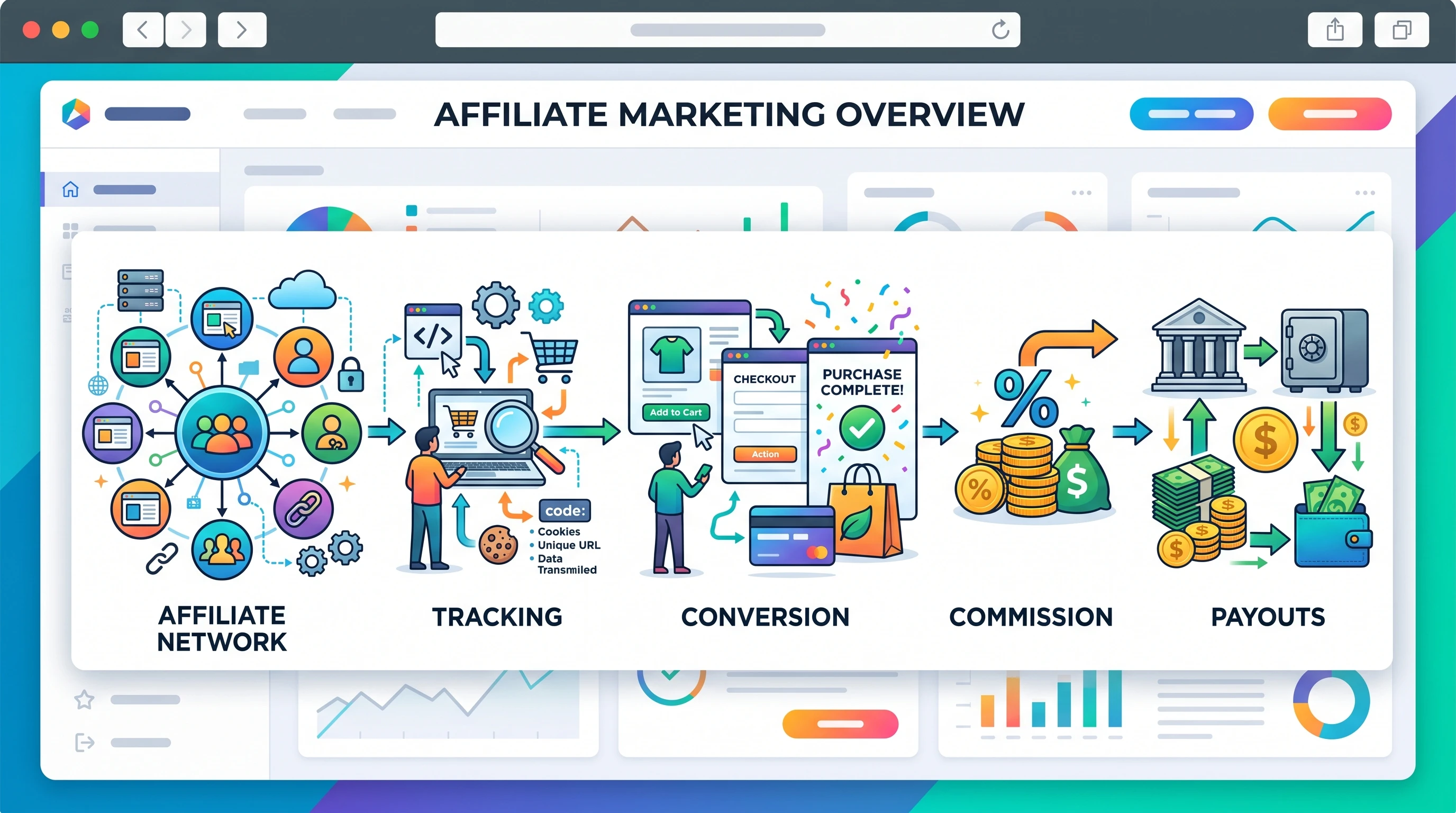
What Is Affiliate Marketing All About?
Affiliate marketing, at its core, is a system where people earn money by promoting products or services and getting a share of the sales or leads they produce. Over the years, it has become a massive industry, pushing billions of dollars through online channels each year. Bloggers, influencers, and website owners use affiliate links to bring in commissions for everything from physical gadgets to online courses and software.
This marketing concept actually reaches back to the 1990s, when e-commerce businesses started rewarding individuals for sending customers their way. Nowadays, almost any product you can think of offers some affiliate program, whether that’s a listing on Amazon, a trendy fashion shop, or high-tech software. Knowing the common terms used in this world helps you track down smart marketing chances and understand deals with networks or partner brands.
Affiliate Marketing: Key Players and How They Work Together
Understanding the main roles is a good starting point. Here’s a quick rundown:
- Affiliate (or Publisher): That’s usually you, the person promoting products through your blog, YouTube channel, website, or on social media.
- Merchant (or Advertiser): The company or individual selling the product or service. They’re also often called the “brand.”
- Affiliate Network: The link between affiliates and merchants. Networks manage link tracking, reporting, and handle payouts. Examples include CJ Affiliate and ShareASale.
- Customer: The person who clicks your affiliate link and, with luck, makes a purchase or signs up for something.
The relationship is pretty straightforward: you bring visitors, the company lands potential customers, and you get paid if your lead results in a sale or signup.
Breaking Down Affiliate Marketing Jargon
Now for the interesting part—the buzzwords and what they actually mean. This is where the confusion fades and it all fits together.
- Commission: The payment you get for each sale or lead. This could be a flat rate or a percentage of the sale.
- Cookie Duration (or Cookie Window): The time you get credit for a sale after someone clicks your link. If you see “30-day cookie,” for example, you’ll earn commission for qualifying sales within 30 days of the first click.
- Conversion Rate: The percentage of visitors who click your affiliate link and end up buying something or completing another desired action. Higher conversion rates mean your offers really appeal to your audience.
- Payout Threshold: The minimum amount you need to earn before you get paid. If the threshold is $50, you must hit that number before you see a payout.
- Tracking Link (or Affiliate Link): A special URL that tells a merchant the sale or signup came from you. These links look longer and usually have unique codes embedded.
- EPC (Earnings Per Click): On average, how much affiliates earn for each click on their links. Use this to compare programs and see which ones are really worth your time.
- ClickThrough Rate (CTR): The percent of people who see your link or ad and actually click it. A high CTR means your content is getting results.
Quick Guide: Main Types of Affiliate Marketing Offers
Not all affiliate deals are the same. Here’s a quick look at the main types you might find:
- PPS (Pay Per Sale): You get paid when your referral actually results in a sale. This is the most popular type for both physical and digital products.
- PPL (Pay Per Lead): You get paid when someone completes an action like filling out a form or signing up for a newsletter—no purchase required.
- PPC (Pay Per Click): You get paid for each time someone clicks your affiliate link, no matter what they do after. This is less common but does show up in some niche industries.
Each model works a bit differently. PPS is common for high-ticket items or everyday products, while PPL is often used in financial services or software, rewarding just signups. PPC can be good for big, viral traffic but usually pays less per click.
Things You Should Watch Out For in Affiliate Marketing
Getting comfortable with these terms is only one step. Here are some real-world tips from my own start in affiliate marketing:
- Affiliate Agreement: This is the set of rules you agree to when joining a program. Always read these carefully. Some programs restrict where or how you can advertise.
- Minimum Payouts: Networks and programs all set their own rules for minimum payouts. Even if it’s a small number, you won’t see a payment until you reach it.
- Cookie Stuffing and Attribution: Putting cookies on someone’s browser without knowledge is a trick that gets you banned. Attribution means tracking who is responsible for which sale, so always play fair and stick to the rules.
- Program Changes: Merchants can adjust rates, cookie windows, or terms anytime. Keeping tabs on your dashboard and reading updates helps avoid surprises.
- Regulation Compliance: Disclosure is a must, especially in places like the USA. Always clearly say, “This post contains affiliate links,” to keep everything above board.
Commission Structures
It’s worth talking a bit more about how commission payouts work. Some programs offer one time commissions—you get paid only when the sale happens. Others have recurring commissions, so you keep getting paid monthly if the customer stays subscribed or keeps using the service. Recurring programs build more reliable, ongoing income streams over time. For example, I’ve earned steady monthly payouts from recurring software and web tool offers, making my income much more stable compared to starting over each month with new referrals.
Affiliate Networks vs. Direct Programs
Affiliate networks gather up lots of merchants and provide a single dashboard for tracking, making payments, and discovering new offers. Direct programs, run by brands themselves, might offer higher commission rates but could lack detailed reporting or automated payment features.
Big networks like Impact, Awin, and Rakuten Advertising make it easy for beginners to get started and check out a bunch of offers from different industries in one place. If you apply for direct programs, brands handle onboarding and payouts themselves. Sometimes, this means better relationships and possibly more tailored marketing materials, but usually with slightly extra admin work on your end.
Common Pitfalls in Affiliate Marketing
Many people—myself included—have made mistakes early on. Not reading every program’s rules, missing disclosure requirements, or misunderstanding how cookies and attribution work can all cost you money or even get you blocked from lucrative programs.
- Some merchants use last click attribution, which means only the most recent referrer gets the commission. If a customer bounces between several blogs, only the final link before the sale counts.
- Sudden commission cuts. For instance, Amazon has been known to lower payout rates suddenly, affecting your anticipated earnings overnight.
- Low EPC offers. If you’re barely earning from lots of clicks, look for better options or higher-value products in your niche.
RealWorld Examples of Affiliate Marketing in Action
It helps to see these concepts in the wild. Here’s how they really play out:
- Product Review Blogs: Many bloggers weave affiliate links into reviews of gadgets, clothing, books, or beauty items. If a reader clicks and buys, the blogger pockets a commission. Amazon Associates is popular for this, especially in tech and lifestyle.
- Listicles and Roundup Posts: Sites like Wirecutter compare multiple products and recommend their top picks. Readers who use these affiliate links support the site with each purchase. Good disclosure and clear formatting help build trust.
- YouTube Videos: Video creators often place affiliate links in video descriptions, so viewers can easily find and buy products they see in the video. This is especially true for tech, gear, or online course reviews.
Frequently Asked Questions
If you have some questions, trust me, I did too when I was starting (and I still get asked these all the time):
Question: How do I find the best affiliate programs?
Answer: Target programs that fit your topic and audience, have a trustworthy history, and provide solid marketing materials. Forums like Reddit’s r/affiliatemarketing and honest reviews from other publishers are useful places to start.
Question: Is affiliate marketing really passive income?
Answer: Not exactly. While some content delivers income long after you posted it, there’s always some initial effort. Keeping things updated, learning new trends, and trying out fresh offers help keep your income from drying up.
Question: How are affiliate referrals tracked?
Answer: Most programs use special links that place a cookie on the visitor’s device. If your visitor buys within the cookie window, you get the credit automatically.
Wrapping Up Your Affiliate Marketing Vocabulary
When you get a feel for the most used terms in affiliate marketing, it gets easier to tell which programs are smart, make sense of your stats, and build out a business that works. Always doublecheck program rules, stay curious, and keep digging into all the new things this industry brings up. The more you know the lingo, the less likely you are to miss out. There’s always something new to explore, and staying sharp will help you stay ahead!